


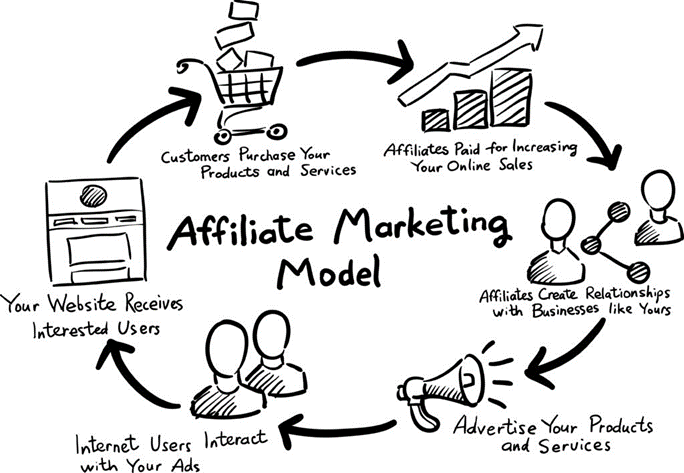
Affiliate marketing has become a lucrative avenue for individuals looking to generate passive income online. Creating an affiliate marketing course can be an excellent way to share your expertise with others while also capitalizing on this growing industry. Here’s how you can start your affiliate marketing course:
- Define Your Niche: Determine the specific niche or area within affiliate marketing that you want to focus on. This could be anything from email marketing strategies to social media tactics or niche-specific affiliate marketing course.
- Research: Conduct thorough research to understand the needs and interests of your target audience. Identify common pain points or challenges they face in affiliate marketing and tailor your course content accordingly.
- Outline Your Course Content: Create a detailed outline of the topics you plan to cover in your course. Start with the basics and gradually move towards more advanced strategies. Make sure to include practical examples, case studies, and actionable tips to keep your students engaged.
- Choose a Platform: Decide on the platform you’ll use to host your course. Options include online course platforms or self-hosting using WordPress plugins.
- Create Engaging Content: Develop high-quality content for your course, including video lectures, written guides, worksheets, and quizzes. Ensure that your content is easy to understand and visually appealing to enhance the learning experience.
- Promote Your Course: Utilize various marketing channels to promote your course and attract students. This could include social media marketing, email marketing, content marketing, and paid advertising. Highlight the unique value proposition of your course and emphasize how it can benefit your target audience.
- Offer Incentives: Consider offering early bird discounts, bonuses, or limited-time offers to encourage people to enroll in your course. Testimonials and success stories from previous students can also help build credibility and trust.
- Provide Ongoing Support: Offer ongoing support to your students through a private Facebook group, email newsletters, or live Q&A sessions. Address their questions and concerns promptly to ensure a positive learning experience.
- Monitor and Iterate: Continuously monitor the performance of your course and gather feedback from your students. Use this feedback to identify areas for improvement and make necessary adjustments to enhance the quality of your course over time.